
Interiors
Designing a small New York living room around one coffee table
Scale, clearances and material notes from an architect.
By Lionel Scharly · October 2026 · 5 min read
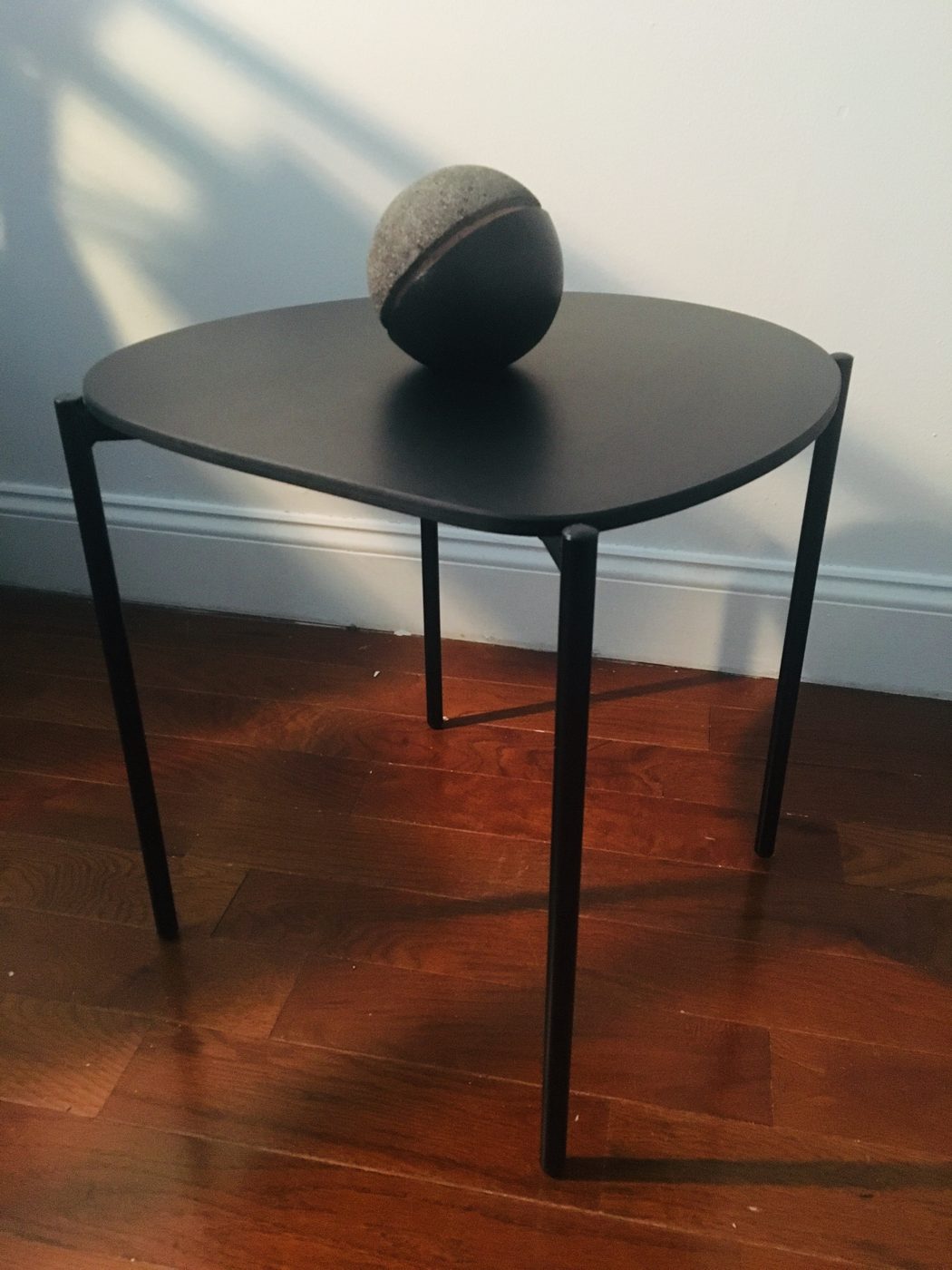
In a small living room, the coffee table is the piece everything else turns around. It sits at the center of the seating, it is the first thing you see from the door, and it is the one surface everyone shares. Choose it well and the room feels generous. Choose it badly and you spend years walking around it.
Start with the sofa
Size the table to the seating, not the room. A good proportion is a table about two thirds the length of the sofa: roughly 48 inches long for a 72-inch sofa, or 56 inches for an 84-inch one. Anything longer blocks the path to the ends of the sofa; anything much shorter looks lost.
Height matters as much as length. Keep the top level with the sofa seat or an inch or two below it, so a cup is within easy reach and the table does not cut the room in half visually.
Clearances that work
These are the dimensions I work to in apartments where every inch counts:
| Sofa to coffee table | 16–18 inches — close enough to reach, far enough for knees |
|---|---|
| Main walkway | 30–36 inches wherever people pass through the room |
| Coffee table to TV or fireplace | At least 36 inches, so the space reads as a room, not a corridor |
| Rug | Large enough for at least the front legs of every seat to rest on it |
Let the table set the mood
With one strong piece at the center, the rest of the room can be quiet. A sculptural table such as our Convex gives the eye somewhere to land; around it, a plain sofa, one or two chairs and a single lamp are enough. In a narrow room, a rounded or oval top is kinder to shins and keeps the walkway open.
Material notes
- A dark, matte top hides rings and fingerprints better than gloss.
- Steel legs read lighter than a solid base — useful when floor space is tight.
- In a room with little daylight, a light rug under a dark table keeps the floor from going heavy.
- Leave the surface mostly empty: one book, one object, room for a tray.
Finish with the walls
Small rooms benefit from one decisive wall. A patterned wallcovering behind the sofa adds depth without taking floor space, and pulls the room together around the table. Keep the pattern to one wall and let the others stay calm.